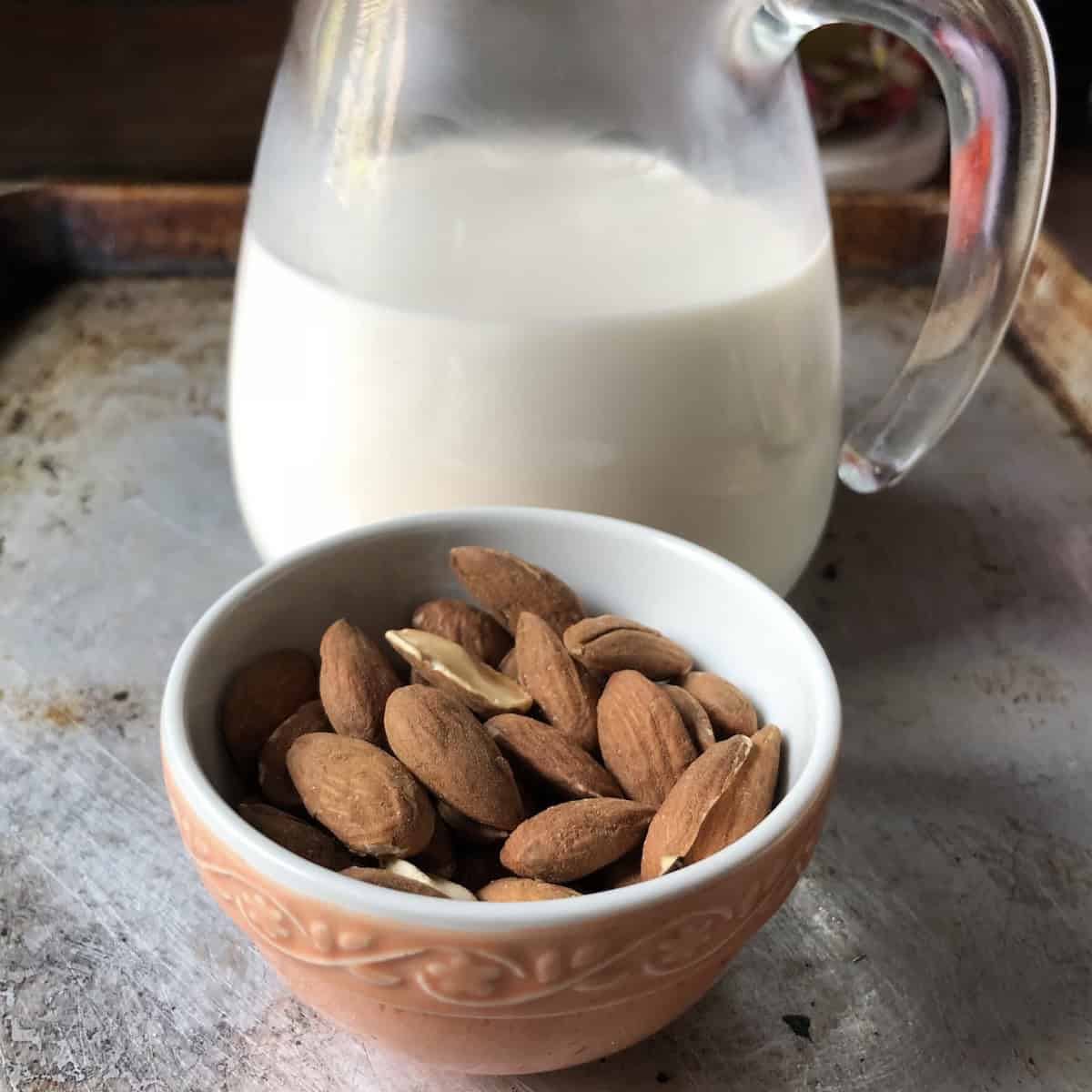
Beyond the Carton: Why Zero Waste Homemade Almond Milk Reigns Supreme
Imagine a creamy, delicious glass of almond milk that's not only incredibly fresh but also contributes to a healthier you and a healthier planet. That's the promise of **zero waste homemade almond milk**. Moving beyond the often-processed, additive-filled cartons from the grocery store opens up a world of unparalleled flavor, superior nutrition, and environmental mindfulness. This isn't just about making a drink; it's about making a conscious choice for quality, sustainability, and taste that simply can't be matched by store-bought alternatives.
For many households, almond milk is a daily staple, a versatile base for smoothies, a perfect companion for coffee, or a refreshing beverage on its own. If you're consuming something regularly, it makes sense to ensure it's the highest quality, healthiest version possible. And when it comes to almond milk, "homemade" consistently beats "store-bought" in every meaningful category.
The Health & Flavor Advantage: What You Avoid (and Gain!) with DIY Almond Milk
One of the most compelling reasons to embrace **zero waste homemade almond milk** is the dramatic difference in ingredients. Pick up a carton of commercial almond milk, and you'll often find a list that extends far beyond just almonds and water. These products frequently contain a host of "questionable ingredients" – emulsifiers, thickeners, stabilizers, added oils, and artificial flavors – designed to mimic a creamy texture and prolong shelf life. Common culprits include:
*
Carrageenan: A common thickener derived from seaweed, some studies suggest it can cause inflammation and digestive issues in sensitive individuals.
*
Gums (Guar Gum, Gellan Gum, Locust Bean Gum): Used for thickening and stabilization, these can also cause digestive discomfort for some people.
*
Sunflower Lecithin/Vegetable Oils: Often added for emulsification and texture, these can contribute to unnecessary processed fats in your diet.
*
Added Sugars: Many "original" or "vanilla" flavored store-bought almond milks contain a surprising amount of added sugars.
With homemade almond milk, *you* are in complete control. Your ingredient list is pure and simple: raw almonds and filtered water. That's it. For enhanced flavor and natural sweetness, you can add a few dates or a pinch of sea salt, both entirely optional and adjustable to your dietary needs. This purity means you're nourishing your body with truly raw, natural goodness, free from anything artificial or potentially irritating.
Beyond the health benefits, the flavor and texture of **zero waste homemade almond milk** are simply superior. It's incredibly fresh, boasts a genuinely creamy mouthfeel, and has a rich, nutty taste that store-bought versions struggle to replicate. Enthusiasts often note its remarkable ability to foam beautifully, making it an ideal choice for homemade lattes and cappuccinos – a testament to its natural richness without any artificial aids. To truly understand the benefits and taste difference, explore
Homemade Almond Milk: Healthier, Tastier & Waste-Free Than Store-Bought.
Making Your Own Zero Waste Almond Milk: The Simple Steps to Creamy Perfection
The process of making your own almond milk is surprisingly straightforward and requires minimal effort, especially once you get into a routine. The key is simply planning ahead for the soaking time.
What You'll Need:
- Raw Organic Almonds: Opt for organic when possible to avoid pesticides.
- Filtered Water: Essential for a clean-tasting milk.
- Optional: Medjool dates (for sweetness), a pinch of sea salt (to enhance flavor).
Equipment:
- Large Bowl or Jar: For soaking almonds.
- High-Speed Blender: Crucial for a smooth, creamy result.
- Nut Milk Bag (Organic Cotton Recommended): Essential for straining the pulp. Cheesecloth can be used as an alternative, but a nut milk bag is more efficient and reusable.
- Large Bowl with a Spout: To collect the strained milk.
- Fine Mesh Strainer: To hold the nut milk bag.
- Reusable Glass Jar or Pitcher: For storing your finished almond milk.
- Reusable Container: For storing leftover almond pulp.
Step-by-Step Recipe:
- Soak Your Almonds (8-48 Hours): Place 1 cup of raw organic almonds in a large bowl or jar. Cover them with about 1 inch of filtered water. Soaking is a crucial step – it softens the almonds, making them easier to blend, digest, and helps release their nutrients. It also yields a creamier, more satisfying milk. For best results, soak for at least 8 hours, or up to 2 days in the refrigerator, changing the water once if soaking for longer.
- Rinse Thoroughly: After soaking, drain the almonds completely and rinse them under cool, running water. This removes any enzyme inhibitors and ensures the freshest taste.
- Blend with Fresh Water: Transfer the rinsed almonds to your high-speed blender. Add 3-4 cups of fresh filtered water. For a thicker, creamier milk, use less water (e.g., 3 cups); for a thinner consistency, use more (e.g., 4 cups). If adding dates or salt, now is the time to add them. Start with 1-2 pitted Medjool dates and a tiny pinch of sea salt.
- Puree Until Smooth: Blend on high for 1-2 minutes, until the mixture is completely smooth and appears milky white. The longer you blend, the creamier your milk will be.
- Set Up for Straining: Place your nut milk bag inside a large bowl (one with a spout is ideal for easy pouring). Position the strainer over the bowl to hold the bag open.
- Strain the Milk: Carefully pour the blended almond mixture into the nut milk bag. Gather the top of the bag and gently squeeze, twist, and press to extract all the liquid. Keep squeezing until no more milk drips out, and you're left with a dry pulp inside the bag. Don't be shy – really wring it out!
- Store Your Milk: Pour your freshly made almond milk into your reusable glass jar or pitcher. Store it in the refrigerator. It will typically last for 3-5 days.
- Save Your Pulp: Transfer the leftover almond pulp into a separate reusable container. Don't throw it away – this is where the "zero waste" aspect truly shines!
From Pulp to Plenty: Creative Ways to Embrace a Truly Zero Waste Kitchen
The beauty of **zero waste homemade almond milk** extends far beyond the liquid itself. The leftover almond pulp, often discarded by commercial producers, is a valuable ingredient that can be transformed into a variety of delicious and nutritious treats. Far from being "waste," it's a testament to getting the most out of your ingredients and minimizing your environmental footprint.
Here are some popular and inventive ways to give your almond pulp a delicious second life:
*
Almond Flour (Dehydrated): This is arguably the most common and versatile use. Spread the pulp thinly on a baking sheet and bake at a very low temperature (around 200°F / 95°C) for several hours, or use a dehydrator, until completely dry and brittle. Once dry, process it in a food processor until it reaches a fine, flour-like consistency. While it's not identical to store-bought almond flour (which is made from whole, un-milked almonds and retains more fat), it's excellent for adding texture and nutrients to baked goods, or as a gluten-free breading. Store it in an airtight container in the freezer for extended freshness.
*
Energy Bites/Protein Balls: Combine the fresh or dried pulp with dates, nuts, seeds, nut butter, and a touch of maple syrup or honey. Roll into bite-sized balls for a healthy and satisfying snack.
*
Crackers: Mix the pulp with some flax seeds, herbs, and spices, then press thinly onto a baking sheet and bake until crisp. These make fantastic gluten-free crackers.
*
Smoothie Booster: Add a tablespoon or two of fresh or frozen pulp directly into your morning smoothie for an extra fiber and protein boost.
*
Baking Ingredient: Incorporate fresh pulp into muffins, breads, cookies, or even pancakes. It adds moisture, fiber, and a subtle nutty flavor.
*
Savory Dishes: Don't limit yourself to sweet! Mix dried almond pulp into veggie burgers, falafel, or use it as a binder in meatballs.
Embracing these uses for almond pulp is a rewarding step towards a truly **zero waste** kitchen. For even more inventive ideas on how to repurpose your almond pulp, check out
Easy Zero Waste Almond Milk & Creative Ways To Use Leftover Pulp.
Tips for Success & Storing Your Homemade Batch
To ensure every batch of your **zero waste homemade almond milk** is perfect, keep these tips in mind:
*
Quality Almonds Matter: Start with fresh, raw, organic almonds for the best flavor and nutritional profile.
*
Don't Skimp on Soaking: Soaking is the magic step. The longer (within reason, up to 2 days refrigerated), the creamier and more digestible your milk will be.
*
High-Speed Blender Advantage: While a regular blender can work, a high-speed blender will yield a much smoother, creamier milk with less effort.
*
Taste and Adjust: Always taste your milk before storing. Need it sweeter? Add more dates. Prefer a pinch more salt? Go for it!
*
Storage: Store your homemade almond milk in a tightly sealed glass jar or pitcher in the refrigerator. Separation is natural, so just give it a good shake before each use. It’s best consumed within 3-5 days. If you notice any off-smell or sliminess, it's time to discard it.
*
Freezing: While fresh is best, you can freeze almond milk in ice cube trays for later use in smoothies or cooking, extending its shelf life.
Conclusion
Making **zero waste homemade almond milk** is more than just a recipe; it's a lifestyle choice that champions health, flavor, and environmental responsibility. It’s a simple act that empowers you to control your ingredients, avoid unnecessary additives, and enjoy a truly superior product. With its rich creaminess, delightful taste, and the incredible versatility of its leftover pulp, you'll wonder why you ever bought it from the store. So, grab your almonds, get soaking, and start enjoying the freshest, healthiest, and most sustainable almond milk you've ever tasted. Your body and the planet will thank you!