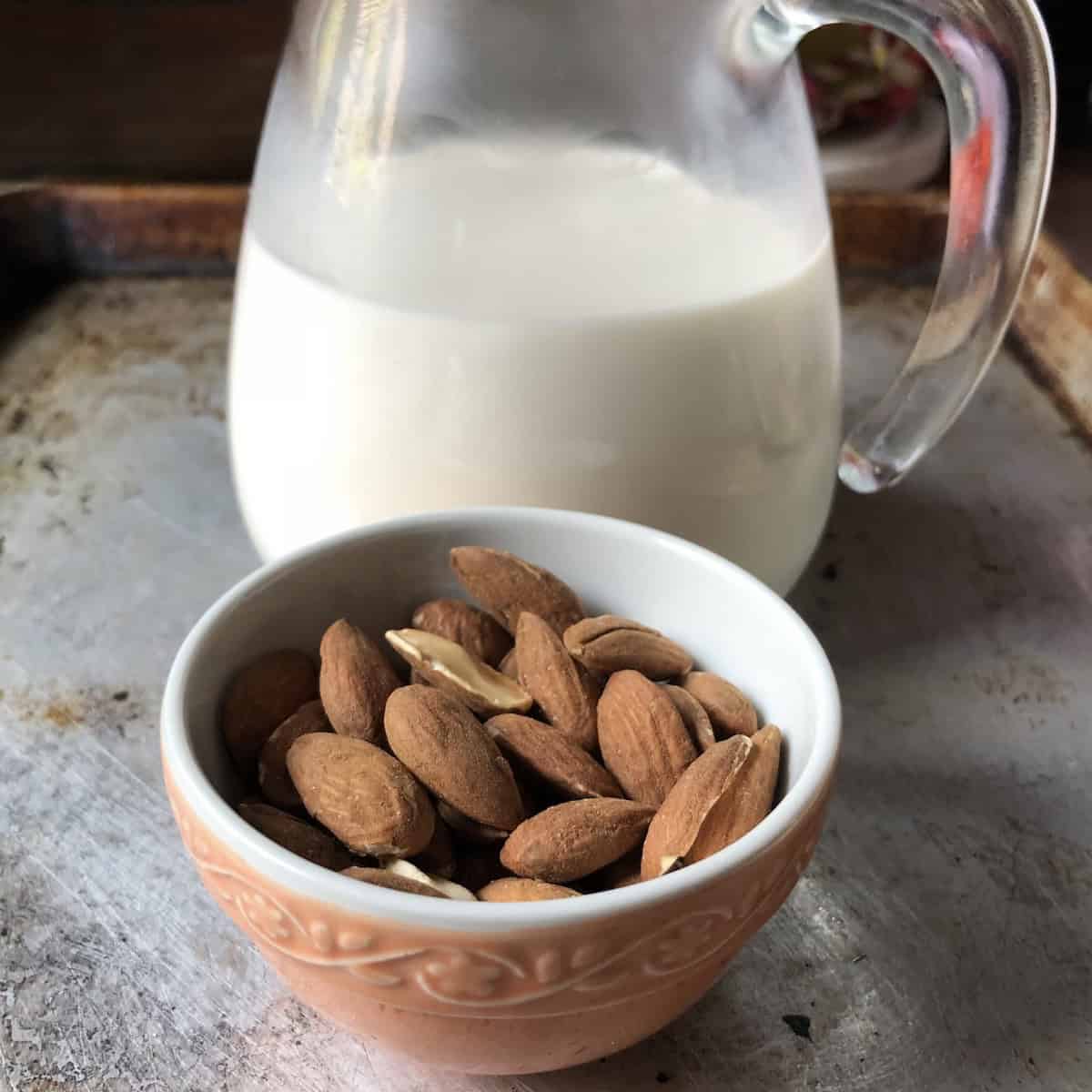
Homemade Almond Milk: The Healthier, Tastier, and Truly Waste-Free Choice
In a world increasingly conscious of both personal well-being and environmental impact, small changes in our daily routines can make a significant difference. One such change, surprisingly impactful, is shifting from store-bought almond milk to a homemade version. Not only is crafting your own
zero waste homemade almond milk an incredibly simple process, but it also delivers a product that is healthier, boasts superior flavor, and virtually eliminates food and packaging waste. Say goodbye to unpronounceable ingredients and single-use plastic jugs, and hello to a fresh, pure, and sustainable staple.
Many of us maintain "food rules" in our homes, prioritizing the healthiest, highest-quality versions of items we consume regularly. For almond milk lovers, the revelation often comes when comparing ingredient lists: store-bought varieties frequently contain emulsifiers, thickeners, added oils, and artificial flavors. By contrast, homemade almond milk, particularly a
zero waste homemade almond milk, can be made with just two core ingredients – almonds and water – offering unparalleled purity and taste.
The Unbeatable Benefits: Why Go Homemade?
The decision to make your own almond milk isn't just a trend; it's a conscious choice offering a multitude of advantages over its commercial counterparts.
Healthier, Purer Ingredients
One of the most compelling reasons to embrace homemade almond milk is the control you gain over its contents. Commercial almond milks, even those marketed as "natural," often include an array of additives designed for shelf stability and texture, such as carrageenan, gellan gum, sunflower lecithin, and various oils. While generally recognized as safe, these ingredients can be questionable for sensitive individuals and certainly aren't essential for a delicious milk alternative.
When you make your own, the ingredient list is beautifully short and sweet:
- Raw Organic Almonds: The star of the show, providing healthy fats, protein, fiber, vitamin E, and magnesium. Soaking them makes them easier to digest and enhances nutrient absorption.
- Filtered Water: Essential for a clean taste.
- Optional Flavor Enhancers: A pinch of sea salt for balance, or a date (or two!) for natural sweetness. These additions are entirely up to you and your dietary preferences.
This minimalist approach ensures you're consuming a product free from unnecessary sugars, preservatives, or artificial components. Plus, the fresh quality of homemade milk is undeniably superior, and it even foams up beautifully for your morning cappuccino!
Taste That Rivals and Surpasses
Prepare for a taste revelation. Homemade almond milk is hands down creamier, richer, and more satisfying than anything you'll find in a carton. The difference is akin to fresh-squeezed orange juice versus concentrate. The natural oils and flavors of the almonds are fully preserved and emulsified into the water, creating a velvety texture and a subtly sweet, nutty profile that's simply divine. You can also customize the sweetness level, adding more dates for a sweeter milk or omitting them entirely for a plain, unsweetened version perfect for savory dishes.
Embracing a Truly Zero-Waste Lifestyle
This is where homemade almond milk truly shines from an environmental perspective. Store-bought almond milk comes in single-use plastic jugs or Tetra-Paks. While Tetra-Paks are often considered recyclable, their multi-layered composition (paper, aluminum, plastic) makes them notoriously difficult and energy-intensive to process, and many municipal recycling programs don't even accept them.
By making your own
zero waste homemade almond milk, you:
- Eliminate Packaging Waste: Purchase almonds in bulk from zero-waste stores or in large bags, store them in reusable containers, and use your own reusable jugs or pitchers for the finished milk.
- Utilize Byproducts: The leftover almond pulp is far from waste! It's a versatile ingredient that can be transformed into delicious and nutritious treats, aligning perfectly with a sustainable, no-food-waste ethos. We'll delve deeper into pulp uses shortly.
Choosing to make your own almond milk is a powerful step towards reducing your ecological footprint, one delicious glass at a time.
Demystifying the Process: Your Zero Waste Homemade Almond Milk Recipe
Making almond milk at home might sound daunting, but it's surprisingly simple and requires minimal effort once you get into the rhythm. Think of it as a small, rewarding ritual.
Essential Tools for Your Kitchen
Before you begin, gather these reusable essentials:
- High-Speed Blender: Crucial for thoroughly pulverizing the almonds.
- Nut Milk Bag (Organic Cotton Recommended): This is key for straining and achieving smooth, pulp-free milk.
- Large Bowl (with a spout if possible): To collect the strained milk.
- Reusable Jars or Pitchers: For storing your finished almond milk in the refrigerator.
- Reusable Container for Soaking: A jar or bowl works perfectly.
- Reusable Container for Almond Pulp Storage: Don't throw it out!
Simple, Wholesome Ingredients
This recipe focuses on purity and natural flavor.
- 1.5 cups Raw Organic Almonds
- 4-5 cups Filtered Water (for blending) + more for soaking
- Optional: 1-2 Medjool Dates (pitted) for sweetness
- Optional: Pinch of Sea Salt for flavor balance
Step-by-Step Guide to Perfection
Follow these easy steps to create your own luscious,
zero waste homemade almond milk:
Step 1: Soak Your Almonds
Place 1.5 cups of raw organic almonds into a jar or bowl. Cover them with about 1/4 inch of filtered water. Cover the container (a silicone food cover works great) and let them soak in the refrigerator for at least 8 hours, or up to 2 days. Soaking softens the nuts, makes them easier to blend, aids digestion, and yields a creamier milk.
Step 2: Rinse and Prepare
After soaking, drain the almonds thoroughly and rinse them under cool, filtered water. This washes away any enzyme inhibitors and prepares them for blending.
Step 3: Blend to Perfection
Transfer the rinsed almonds to your high-speed blender. Add 4-5 cups of fresh filtered water. If using, add pitted dates and a pinch of salt. Blend on high for 1-2 minutes until the mixture is creamy and looks opaque. The longer you blend, the creamier your milk will be.
Step 4: Strain the Milk
Set up your nut milk bag over a large bowl (a bowl with a spout will make pouring easier). Pour the pureed almond mixture into the nut milk bag. Gather the top of the bag and gently but firmly squeeze, twist, and press to extract all the liquid. Keep squeezing until no more milk drips out – you might be surprised how much more liquid you can get!
Step 5: Store and Enjoy
Pour your freshly made almond milk into your reusable jug or pitcher. Store it in the refrigerator for up to 3-5 days. Shake well before each use, as natural separation can occur.
Beyond the Milk: Creative Uses for Almond Pulp
One of the most rewarding aspects of making
zero waste homemade almond milk is the valuable byproduct: almond pulp. Far from being food waste, this fiber-rich material is incredibly versatile. Discarding it would be a missed opportunity, especially given the resources used to grow almonds.
Here are a few popular ideas to transform your leftover almond pulp:
- Almond Pulp Flour: Spread the pulp thinly on a baking sheet and dry it in a low oven or a dehydrator until completely desiccated. Once dry, process it in a food processor or blender until it forms a coarse flour. Store this in an airtight container in the freezer and use it as a gluten-free addition to baking, smoothies, or to thicken sauces. While not the same as store-bought almond flour (which contains more fat), it's a fantastic, nutrient-dense binder.
- Add to Smoothies: Boost the fiber and texture of your morning smoothie by adding a spoonful or two of fresh almond pulp.
- Energy Bites or Granola: Incorporate fresh or dried pulp into energy ball recipes, granola, or even homemade crackers.
- Baked Goods: Mix pulp into muffins, quick breads, or cookies for added moisture and fiber.
Embracing these uses ensures that every part of your almond milk creation contributes to a truly
zero waste almond milk process, maximizing the value of your ingredients and minimizing your environmental footprint.
Tips for the Best Zero Waste Homemade Almond Milk Every Time
*
Quality Almonds Matter: Start with fresh, high-quality organic raw almonds for the best flavor and nutritional value.
*
Don't Rush Soaking: While 8 hours is sufficient, soaking for up to 2 days can yield an even creamier, more digestible milk. Change the water daily if soaking for longer.
*
Experiment with Sweetness: Start with one date and taste. You can always add more or a touch of maple syrup if you prefer a sweeter milk.
*
Flavor Variations: Beyond dates and salt, consider adding a splash of vanilla extract, a pinch of cinnamon, or even a teaspoon of cocoa powder for flavored milks.
*
Storage Savvy: Always store your homemade almond milk in a clean, airtight container in the refrigerator. Natural separation is normal, just give it a good shake before pouring.
Conclusion
Making your own
zero waste homemade almond milk is more than just a recipe; it's a sustainable lifestyle choice that puts you in control of your health, your palate, and your planet's well-being. From the superior taste and pure ingredients to the elimination of packaging waste and the creative use of almond pulp, the benefits are clear and compelling. Take the leap, invest a little time, and discover the unmatched satisfaction of this simple, delicious, and eco-conscious kitchen staple. Your taste buds, your body, and the Earth will thank you.