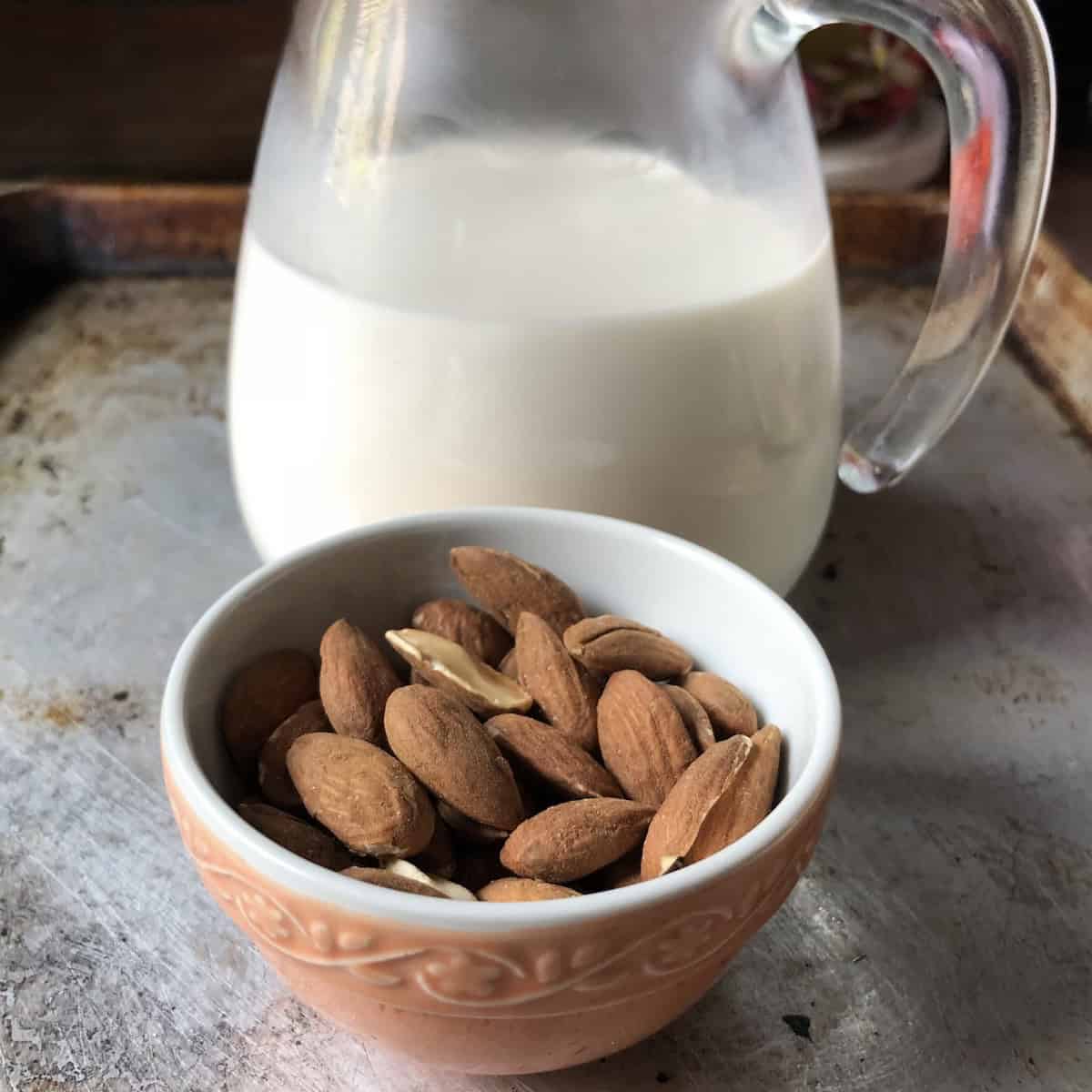
Tired of store-bought almond milk that's loaded with questionable emulsifiers, thickeners, and added oils? Ready to embrace a healthier, creamier, and genuinely delicious alternative while doing your part for the planet? You're in the right place! Crafting your own zero waste homemade almond milk is not only surprisingly easy but also a deeply satisfying experience that transforms your daily rituals.
In our household, we live by a simple food philosophy: if we consume something regularly, we prioritize its quality. And if we can make a healthier version ourselves without major inconvenience, we absolutely will. This ethos led us straight to homemade almond milk. It's a game-changer, eliminating those unpronounceable ingredients and single-use plastic jugs. Plus, we'll show you how to give the leftover almond pulp a new life, ensuring absolutely nothing goes to waste!
Why Zero Waste Homemade Almond Milk Reigns Supreme
The journey to embracing zero waste homemade almond milk begins with understanding its unparalleled benefits. It’s more than just a drink; it's a commitment to health, taste, and sustainability.
- Uncompromised Health: The biggest draw of making your own almond milk is total control over ingredients. Store-bought versions often contain carrageenan, gellan gum, sunflower lecithin, and various added oils or sugars to extend shelf life and mimic texture. Our homemade recipe uses only 100% raw, natural ingredients – typically just almonds and filtered water. This means no hidden nasties, just pure, wholesome goodness.
- Superior Taste and Texture: Prepare for a revelation. Homemade almond milk boasts a richness and creaminess that commercial varieties simply can't match. It's incredibly fresh, with a subtle nutty flavor that enhances everything from your morning coffee (yes, it foams beautifully for cappuccinos!) to smoothies and cereals.
- Environmental Stewardship: This is where the "zero waste" aspect truly shines. By making your own, you're directly reducing the demand for single-use plastic cartons and Tetra-Paks, which, despite claims, are often difficult to recycle. Buying almonds in bulk further minimizes packaging waste, aligning perfectly with a sustainable lifestyle. You can learn more about these benefits and a great recipe in our guide: Make Zero Waste Almond Milk: Healthier, Creamier, Easy DIY Recipe.
- Customization at Your Fingertips: Want it sweeter? Add a few dates. Prefer a pinch of salt to balance the flavors? Go for it! You have complete freedom to tailor your milk to your exact preferences, something impossible with pre-packaged options. For a low-sugar or low-sodium diet, simply omit these additions.
- Cost-Effective in the Long Run: While the initial investment in good quality raw almonds might seem like a lot, buying them in bulk often proves more economical over time compared to continuously purchasing premium store-bought almond milk.
Your Easy Step-by-Step Guide to Crafting Zero Waste Homemade Almond Milk
Making your own zero waste homemade almond milk is incredibly straightforward. With a little planning, it becomes a simple and rewarding part of your routine.
Gather Your Essentials
Before you begin, ensure you have these items ready. Opting for reusable items is key to maintaining a true zero-waste approach:
- Ingredients:
- 1.5 cups of raw, organic almonds (preferably purchased in bulk to minimize packaging).
- Filtered water.
- Optional: 1-2 Medjool dates (for natural sweetness and balance), a pinch of sea salt (to enhance flavor).
- Equipment:
- A high-speed blender.
- An organic cotton nut milk bag (essential for straining).
- A large bowl (one with a pour spout is very helpful for transferring).
- A fine-mesh strainer (optional, but good for an extra smooth result).
- A reusable glass jar or pitcher for milk storage.
- A reusable container for soaking almonds.
- A reusable container for storing leftover almond pulp.
- A sheet pan (for drying pulp later).
The Simple Process
This method ensures maximum creaminess and nutrient absorption, making your zero waste homemade almond milk truly exceptional.
- Soak Your Almonds: Place 1.5 cups of raw almonds in a jar or bowl. Cover them with filtered water by about a quarter of an inch. Cover the container (a silicone food cover works great!) and refrigerate for at least 8 hours, or up to 2 days for the best results. Soaking softens the nuts, makes them easier to digest, and yields a significantly creamier milk.
- Rinse Thoroughly: After soaking, drain the almonds and rinse them well under cold running water. This removes any enzyme inhibitors and prepares them for blending.
- Blend for Perfection: Transfer the rinsed almonds to your blender. Add about 3-4 cups of fresh filtered water. This ratio typically yields a rich, creamy milk. If using, add dates and a pinch of salt now. Blend on high for 1-2 minutes until the mixture is milky white and as smooth as possible.
- Strain the Goodness: Set up your nut milk bag over a large bowl (the one with the spout will be your best friend here). Carefully pour the blended almond mixture into the bag.
- Squeeze, Squeeze, Squeeze!: This is the fun part! Gather the top of the nut milk bag and twist it closed. Begin squeezing, pressing out all the liquid into the bowl. Be firm but gentle. Keep squeezing until no more liquid drips out and you're left with a relatively dry almond pulp inside the bag. Don't be shy – recruit help if your hands get tired!
- Store and Enjoy: Pour your freshly made homemade almond milk into your reusable glass jar or pitcher. Store it in the refrigerator. It typically stays fresh for 3-5 days.
Creative Ways to Utilize Your Leftover Almond Pulp (True Zero Waste!)
One of the most satisfying aspects of making zero waste homemade almond milk is transforming the leftover pulp into something delicious and useful. This commitment to avoiding waste is at the heart of the zero-waste movement.
Making Almond Meal/Flour
The most common and versatile use for almond pulp is drying it into a meal or flour. While it won't be identical to store-bought almond flour (which contains more fat), it's excellent for baking and adding texture.
- Dry It Out: Spread the squeezed almond pulp thinly and evenly on a baking sheet. You can air dry it at room temperature for 24-48 hours, or for a quicker method, dry it in a low oven (around 200°F / 95°C) for 2-4 hours, stirring occasionally, until completely dry and crumbly. Alternatively, a food dehydrator works wonderfully.
- Process into Flour: Once thoroughly dry, transfer the crisp pulp to a food processor or a high-speed blender. Pulse until it reaches a fine, flour-like consistency.
- Store for Later: Store your homemade almond meal in an airtight glass jar in the refrigerator for up to a week, or in the freezer for several months.
Uses for Almond Meal:
- Baking: Substitute a portion of regular flour with almond meal in cookies, muffins, quick breads, or even pie crusts. It adds a delightful nutty flavor and moist texture.
- Thickener: Use it to thicken soups, stews, or sauces.
- Crumbing: A great binder and coating for homemade veggie burgers, meatballs, or as a crunchy topping for casseroles.
Beyond Flour: Other Pulp Ideas
Don't want to dry it? Here are some immediate uses for fresh almond pulp:
- Smoothie Booster: Add a tablespoon or two directly to your morning smoothie for extra fiber and nutrients.
- Oatmeal & Yogurt Topping: Stir a spoonful into your hot oatmeal or sprinkle over yogurt with some fresh fruit and granola.
- Almond Pulp Crackers or Cookies: Mix the fresh pulp with some seeds, spices, and a little flour or flax egg, roll it thin, and bake for savory crackers or sweet cookies.
- Energy Bites: Combine with dates, nut butter, and oats for no-bake energy balls.
- Veggie Burger Base: Use it as a key ingredient and binder in homemade plant-based burgers, adding texture and protein.
- Exfoliating Facial Scrub: For a non-food application, mix fresh pulp with a little honey or aloe vera for a gentle, natural facial exfoliant.
Tips for Zero Waste Homemade Almond Milk Success
To ensure your zero waste homemade almond milk experience is always a success, keep these additional tips in mind:
- Quality Matters: Start with good quality raw, organic almonds. They are the foundation of your delicious milk.
- Experiment with Water Ratios: The 3-4 cups of water to 1.5 cups of almonds is a good starting point. Adjust to your preference – less water for a creamier, richer milk; more for a lighter consistency.
- Flavor Variations: Don't limit yourself to just dates and salt. Try adding a splash of vanilla extract, a pinch of cinnamon, or a few cardamom pods during blending for unique flavor profiles.
- Proper Storage: Always store your homemade almond milk in a clean, airtight container in the refrigerator. Shake well before each use as natural separation will occur.
- Clean Your Nut Milk Bag Promptly: Rinse your nut milk bag immediately after use to prevent pulp from drying and hardening in the mesh, making it difficult to clean.
- Make it a Habit: Once you establish a routine, making almond milk becomes second nature. Many find that prepping almonds to soak the night before they run out is the easiest way to ensure a fresh supply.
Embracing zero waste homemade almond milk is more than just a culinary endeavor; it's a step towards a more mindful and sustainable lifestyle. It allows you to nourish your body with pure, natural ingredients while significantly reducing your environmental footprint. The satisfaction of creating something so wholesome and delicious from scratch, and then creatively utilizing every last bit, is truly rewarding.
So, take the leap! Invest a little time and effort, and you'll discover a world of superior taste, health benefits, and eco-conscious living. Your taste buds and the planet will thank you.
